


Can insurance brokers help their clients qualify for tax savings with better benefits? As an insurance broker, you don’t have to be a tax expert. But it helps to understand the tax rules and regulations surrounding the benefits you sell, including state-mandated PFML and other paid leave and short-term disability insurance. Last year’s legislation created


No tricks, just treats, (and no surprises!) with our Net Revenue Tracker. As Halloween approaches, insurance brokers find themselves with more concerns than what costume they should wear to the office party or what candy they should stock for trick-or-treaters. An eerie deadline looms with end-of-year renewals. Most insurance policies renew at the end of


Minnesota PFML: The Real 2027 Conversation Isn’t About Rates or Renewals. It’s About Compliance. As Minnesota Paid Family & Medical Leave (MN PFML) moves into its second year, many employers and brokers are breathing a sigh of relief. The state has announced that the 2027 contribution rate will remain at 0.88%, with employee payroll deductions

Do you have clients who frequently pursue government contracts? It can be a solid pathway to growth, steady revenue, and new markets for contractors and the insurance brokers who serve them. There are almost 40,000 bids open today for government contracts around the US, spanning a range of business opportunities including construction, professional services, maintenance,

Your Quarterly Compliance Alert on State PFML, Disability, and Leave Law Updates September 2026 This newsletter highlights key updates and developments in State Paid Family and Medical Leave (PFML) and statutory disability insurance programs that may affect employers subject to these laws. Because the implications of these changes can vary based on an organization’s unique workforce

If you ask ChatGPT, Gemini, Copilot, or Claude about Paid Family and Medical Leave, it can assemble seemingly relevant details based on the words you use and the intent behind your question. But is that information accurate and up to date? Decisions around insurance compliance require trustworthy, current, state-specific information and context. A single missed

New PFL benefits, premium rates, and eligibility expansion for some NY construction workers coming in 2027. New York announced an increase in the PFL premium rate to .00452, or .452%, with a maximum annual employee contribution of $451.81. New York State’s Department of Financial Services published the increase on August 31, 2026. The increase goes

More than four-in-10 Americans who provide financial support for loved ones said it has made it harder to save for retirement, according to a new survey from MyGuidetoRetirement.org. Juggling the household costs of aging parents and adult children stretches budgets thin, while prices continue rising across the board for food, fuel, utilities, household goods and
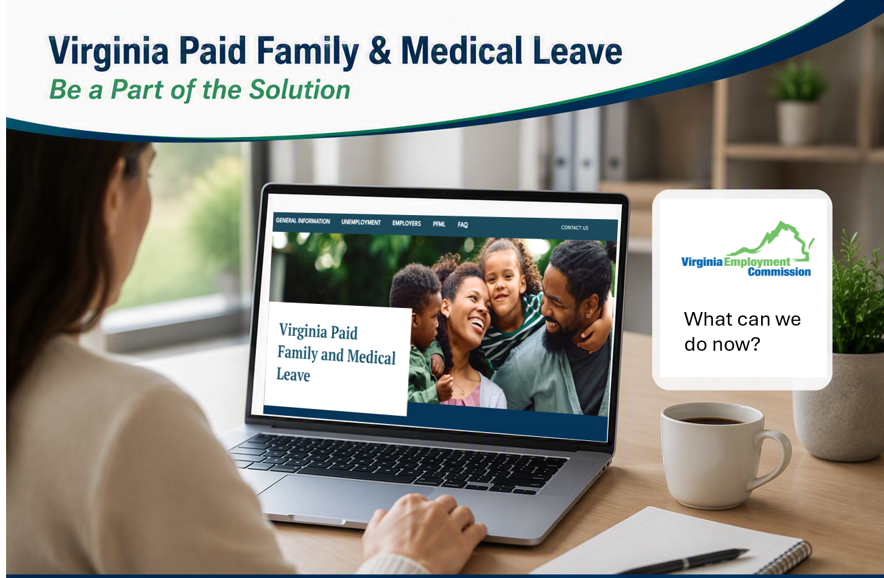
Virginia Paid Family & Medical Leave: Be a Part of the Solution Virginia has approximately 17 months to prepare for the implementation of its new Paid Family & Medical Leave (PFML) program, and the Virginia Employment Commission (VEC) is already making significant progress. Since the legislation was passed (April 22, 2026), VEC has assembled a
The DBL Center can help you provide the solution. As more states adopted paid leave laws for medical leave, caregiving, and bonding with a new child in their family, HR departments are left struggling with how to manage leave to ensure compliance and employee satisfaction. Along with providing back-office assistance and low premium rates as

Pennsylvania may soon become the next state to adopt a mandated Paid Family and Medical Leave (PFML) program. Surrounded by several states that already offer PFML benefits, Pennsylvania faces increasing competition for talent and may view a statewide leave program as a path to attract and retain skilled workers while remaining competitive in the regional

Understand worker entitlements after a birth or adoption to help clients make the most of PFML in their state. Raising a child is expensive. A 2026 LendingTree report estimated costs of more than $303,000, on average, to raise a child up to age 18. Nearly $30,000 of that is spent in the first five years of