
Understand worker entitlements after a birth or adoption to help clients make the most of PFML in their state.
Raising a child is expensive. A 2026 LendingTree report estimated costs of more than $303,000, on average, to raise a child up to age 18. Nearly $30,000 of that is spent in the first five years of the child’s life.
The first year can be exceptionally costly with formula, baby gear like car seats and cribs, strollers, diapers, wipes and, in many cases, day care. During a baby’s first three months, parents may also lose income while taking bonding leave, medical leave to recover from childbirth, or both.
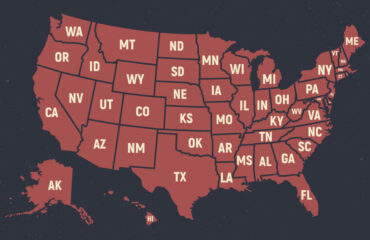
Some states are even more expensive than average for those first five years. Topping the charts are:

Hawaii: $40,342
Maryland: $36,419
Massachusetts: $34,247
Rounding out the top 10 are:
- California
- New Jersey
- Washington
- Colorado
- New York
- District of Columbia
- Connecticut
Child Care Is Expensive: Paid Family and Medical Leave Can Help
Most of the names on the top 10 list also have generous Paid Family and Medical Leave programs, which can help parents better manage daycare costs in the first year of life.
Parents don’t have to take leave at the same time. By strategically staggering medical leave (for the mother / birthing parent) and bonding leave (for both parents), they can delay daycare costs.
This also helps keep one parent working to collect their full paycheck while the other collects leave benefits, which are typically a percentage of the worker’s average weekly wage.
It’s important for claimants, along with their benefits advisors and insurance brokers, to know exactly what new parents can claim, for how long, and the timing of any claims.
A note on FMLA vs. PFML: The Family and Medical Leave Act (FMLA) grants up to 12 weeks of job-protected, unpaid leave to qualified claimants. It can work hand-in-hand with state paid leave programs, but there are some differences.
The federal FMLA program may grant an employer the right to have both parents share the 12-week entitlement when both parents work for the same employer, but many state leave programs do not. Each worker has their own entitlements instead of a shared block of time.
Laws vary by state, so reach out to your insurance carrier or The DBL Center to issue proper guidance if you’re not sure.
Let’s explore the laws and the information brokers should have on hand, state-by-state, in states that currently mandate PFML programs with private plans available.
Broad Rules for PFML and Medical / Disability Claims
Workers may qualify for both medical leave related to pregnancy or childbirth and bonding leave to spend time with their infant in the first year of life. But one parent generally can’t receive both benefits for the same time period.
States typically handle leave claims in one of two ways:
Sequential benefits: The mother (birthing parent) takes medical or pregnancy-disability leave first, followed by bonding leave. They might also take prenatal medical or disability leave for reasons like bedrest or preeclampsia. That time would come out of their medical / disability leave bank.
One combined PFML bank: Both reasons are permitted but leave days come out of the same annual allotment. Again, they can’t be taken concurrently.
State-by-State Overview of PFML Laws for Childbirth and Bonding Claims
Note: Select a state name in the chart below for more details about its paid leave program.
| Connecticut | Medical leave and bonding generally draw from a 12-week total, with medical leave taken first. A worker may receive up to two additional weeks for a serious health condition resulting in incapacitation during pregnancy, potentially bringing the total to 14 weeks for the birthing parent. |
| Colorado | Generally provides up to 12 weeks. A parent with qualifying pregnancy or childbirth complications may file a separate medical claim and receive up to 16 total weeks. The separate claim can expand the total time off and benefits, but the claims can’t run concurrently. Plus, an extra 12 weeks may be taken if the child is in the neonatal intensive care unit. |
| Delaware | Parental (bonding), medical, and family-care benefits are subject to a maximum of 12 combined weeks per year and can’t be taken concurrently. Many birthing parents may choose to take all 12 weeks for paid parental leave and save medical leave for a different event, since the entitlement for medical leave is only six weeks every 24 months. |
| Hawaii | Temporary Disability Insurance generally covers periods of incapacitation due to pregnancy, childbirth, and post-partum recovery including post-partum depression. HI has an unpaid Family Leave Law that provides up to 4 weeks unpaid, job protected leave. They are the only state that has a mandated disability without a corresponding mandate for paid family leave. |
| Maine | Medical and family leave may be taken for different qualifying reasons, and family leave may immediately follow pregnancy-related medical leave. The combined maximum is generally 12 weeks in a benefit year. |
| Massachusetts | A birth parent can transition directly from medical leave into family leave for bonding once medical leave is complete. The limits are up to 20 weeks of medical leave, up to 12 weeks of family leave, and no more than 26 combined weeks in a benefit year. Non-birthing, adoptive, or foster parents can take up to 12 weeks bonding leave. |
| Minnesota | Pregnancy-related medical leave and bonding leave must run one after the other and can’t overlap. Each category can provide up to 12 weeks, up to a 20-week combined maximum in the benefit year. Non-birthing, adoptive, or foster parents can take up to 12 weeks bonding leave. |
| New Jersey | Temporary Disability Insurance generally covers pregnancy and postpartum recovery. Family Leave Insurance bonding benefits for the birthing parent can begin immediately after the disability period ends, without a gap. FLI offers up to 12 continuous weeks or 56 intermittent days for each covered parent. |
| Oregon | Provides 12 total weeks across family, medical, and safe leave. The birthing parent may qualify for two additional weeks for pregnancy-related limitations, for a possible 14-week total. |
New York: Why Enriched DBL Matters
Most of the states listed above use the same wage-replacement formula and weekly benefit cap for medical / disability leave and parental or bonding leave. New York remains as an exception, which is why it’s not on the chart above.
Mothers in New York may file a DBL claim for prenatal care or pregnancy complications for four weeks before the expected due date. They can also file a DBL claim for 6 weeks of recovery after a vaginal delivery and 8 weeks for a c-section. These benefits may be extended, under certain circumstances, for up to 26 weeks.
But DBL benefits only pay 50% of wages, to a maximum of $170 per week. Working mothers in New York might want to move straight to a PFL claim, where they can file for 67% of their wages, up to a maximum of $1,228 in 2026.
Enriching DBL benefits provides enhanced coverage for meaningful income protection following childbirth or any illness or temporary disability.
This benefit serves the entire workforce, makes New York organizations competitive with neighboring states when it comes to recruitment and retention, and helps bridge the disparity between DBL and PFL in NY.
Let The DBL Center Help You with Disability, Benefits, and Leave
Raising a child is undoubtedly expensive and the US still lacks a comprehensive solution to support new parents. But the number of states introducing PFML offers some relief.
As insurance brokers navigate this strange, exciting world of PFML across a variety of states, we’re here to help. With extensive industry knowledge and carrier connections we can help you write a private plan that saves your clients money while delivering equal or better benefits at the same or lower premiums.