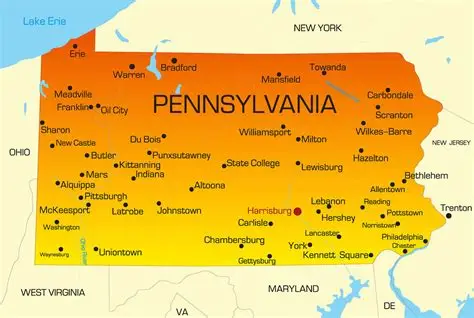

Pennsylvania may soon become the next state to adopt a mandated Paid Family and Medical Leave (PFML) program. Surrounded by several states that already offer PFML benefits, Pennsylvania faces increasing competition for talent and may view a statewide leave program as a path to attract and retain skilled workers while remaining competitive in the regional labor market.
In March, House Bill 200 (The Family Care Act) passed the Pennsylvania House of Representatives and advanced to the Senate for consideration. Its companion legislation, Senate Bill 906, its companion bill, has already cleared the Senate Labor & Industry Committee by a 9-2 vote and is expected to be a key initiative for a vote by the full Senate when they reconvene in September.
If approved by both chambers, the legislation will be sent to Governor Josh Shapiro for signature.

Why It Matters
The Pennsylvania Department of Labor & Industry recently published a study indicating strong support for a statewide PFML program: UPDATED+PA+DOL+Study+Executive+Summary+FINAL.pdf
- 78% of Pennsylvania residents support a state-run PFML program.
- 56% of Pennsylvania employers favor implementation of a PFML program.
With growing public and employer support, Pennsylvania appears positioned to seriously consider joining the increasing number of states with PFML mandates.
Proposed Program Highlights
HB 200 and SB 906 are bipartisan proposals that would establish a statewide social insurance program providing paid, job-protected leave for employees working in the state.
- Potential Paid & Job Protected Leave Benefits
| Up to 20 weeks | Up to 12 weeks |
| • Child bonding (birth, adoption and foster care placement) • Employee’s own serious health condition |
• Family caregiver • Military exigency or related family needs • Support for their own, or a family member, who is a victim of violence |
- Proposed Funding
Cost allocation is one of the critical issues under debate and one of the biggest differences between the House and Senate Bills. Both recommend:
-
- Total contribution rate may not exceed 1% of covered payroll
- An actuarial study to be used to set the initial rate, and
- The rate will be subject to annual changes
- Suggested Coverage Options
Employers could satisfy the mandate through either:
-
- The state-administered public plan, or
- A state-approved private plan (insured or self-funded)
Potential Timeline
The PA Senate will reconvene in late September, and the legislative session ends November 30, 2026. There is plenty of time to complete negotiations and both floor votes.
If the PFML law is enacted:
- 180 days after the Governor signing: Law becomes effective and the state begins regulatory implementation including an actuarial study to set the rate.
- Within 1 year: Contributions begin.
- Within 2 years: PFML benefits become payable.
What’s Next?
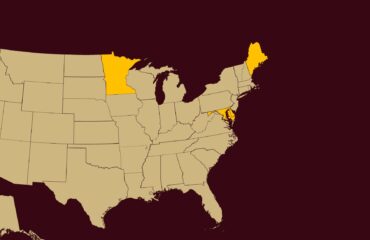
| If the PA PFML law passes, it would be the 16th state + DC and PR with statutory paid disability and/or paid family and medical leave plans covering almost 42% of the US civilian workforce.
Table 1. Civilian labor force and unemployment by state, seasonally adjusted – 2026 M06 Results |
|
Employers with Pennsylvania employees should continue monitoring legislative developments and begin evaluating how a potential PFML mandate could impact leave administration, payroll deductions, workforce planning, and employee benefits strategies.
As Pennsylvania lawmakers debate the legislation, residents and employers may also choose to contact their elected officials to express support or concerns regarding the proposed program.