

Providing a strong dental benefits plan may improve employee health and reduce absenteeism and productivity loss costs.
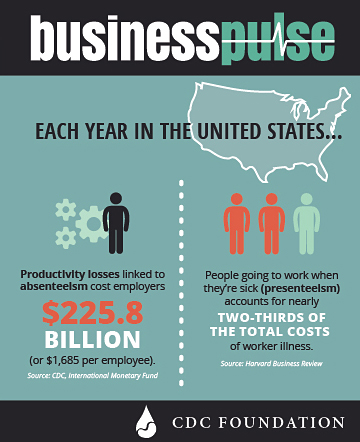
Preventative and emergency dental care plays an important role in overall employee health. Yet, less than 45% of US workers have access to a dental insurance through their job, according to the latest Bureau of Labor Statistics data.
US businesses lose $45 billion in productivity each year from untreated dental disease, according to CDC data. Dental coverage that includes preventative care and low cost treatments can help businesses improve productivity and retention.

Who Offers Dental Coverage?
As with vision plans, the breakdown of businesses that offer dental insurance varies, according to BLS data.
- 30% of private industry workers with less than 100 lives
- 50% of private industry workers with 100 to 499 lives
- 70% of private industry workers in businesses of 500+
Brokers who partner with The DBL Center can save their clients money on required benefits like disability insurance and paid family medical leave. That extra cash flow helps companies offer added benefits like dental and vision insurance. It also supports Group Life AD&D and voluntary worksite benefits.
Employers can offer many of these benefits on a voluntary or cost-shared basis, which means educating employees on the advantages of dental coverage is key to insurance sales.
Insurance May Improve Preventative Care
The right insurance coverage plays a role in regular dental check-ups. More than half (54%) of employees polled by Delta Dental said that they scheduled preventative dental care check-ups to “take advantage of their insurance coverage.”
That’s up from 51% in 2024, indicating a growing awareness of coverage and a desire to make the most of their insurance investment.
In line with these figures, 67% of those with dental insurance made a preventative visit in 2024, compared to only 28% without dental insurance.
The majority (86%) of adults believe dental insurance is essential to protect oral and overall health, while 85% believe dental insurance encourages them to adopt better dental hygiene habits at home.
Oral Health Is Connected to Overall Health
Dental health isn’t just about clean teeth; regular check-ups should be part of regular health care routines. Many Americans understand the link between oral health and overall wellness. Nine-in-10 adults agreed that oral health is closely connected to overall health, according to a recent report from Delta Dental.
In spite of the link between overall health and oral health, most dental procedures aren’t covered by health insurance; dental insurance as part of ancillary benefits can fill this gap.
Why This Matters to Employers and Insurance Brokers
For employers, the takeaway is simple: oral health is part of overall health. Regular dental visits don’t just prevent cavities they can help catch bigger issues early and support better long-term outcomes.
Encouraging preventative care, including routine dental visits, is one way to support a healthier workforce. Offering dental benefits as part of an ancillary package makes that care more accessible, helping employees stay healthier and more productive over time.
A good dental benefits package with low premiums and a focus on coverage for preventative care can save your clients money in the long run. We negotiate rates to secure the lowest premiums and best coverage, especially when you bundle benefits packages.
Plus, as a broker working with The DBL Center as your insurance wholesaler, you’ll gain access to our Broker Dashboard: Net Revenue Tracker technology to help you track renewals, cancellations and commissions.
The DBL Center can link you with a best-in-class insurance carrier to provide the dental benefits and other ancillary group benefits your clients need to run a productive business.
FAQs
Why should a business offer ancillary benefits?
Ancillary benefits like dental, vision, group life / AD&D and even pet insurance provides employees with peace of mind and may improve recruiting and retention rates. Preventative care, including regular dental cleanings and eye exams, may also reduce absenteeism and boost productivity, benefiting employers as well as workers.
Who pays for ancillary benefits?
Ancillary benefits can be offered on a voluntary basis and paid for by the employer, the employee, or on a cost-shared basis. The employee’s share of insurance premiums is typically paid with pre-tax dollars through payroll deductions, leading to tax savings.
What does group dental insurance cover?
Most employee-sponsored dental plans include routine cleanings, exams and x-rays at little to no cost. Major services like fillings and root canals may be partially covered. Insurance brokers can guide clients through the best options, including plans with no waiting period, high annual limits, and many choices in providers.
How can dental insurance reduce healthcare costs?
Dental insurance encourages regular check-ups. Catching problems early can help prevent more serious health issues later. This may help reduce overall healthcare costs over time.
Is dental insurance expensive for employers?
Dental insurance is usually affordable. Many plans can be offered on a voluntary or cost-shared basis. This makes it easier for employers to add coverage without a large increase in costs. Bundling ancillary benefits can also help businesses save money. The DBL Center can help.